Music lives at the center of human culture. It shapes identity, carries memory, and connects us across language, geography, and ideology. Classical music and opera, in particular, transcend barriers in ways few other art forms can. It opens minds, expands dialogue, and strengthens the emotional fabric that binds us together.
Yet at this pivotal moment in history, music’s role in society is being quietly diminished.
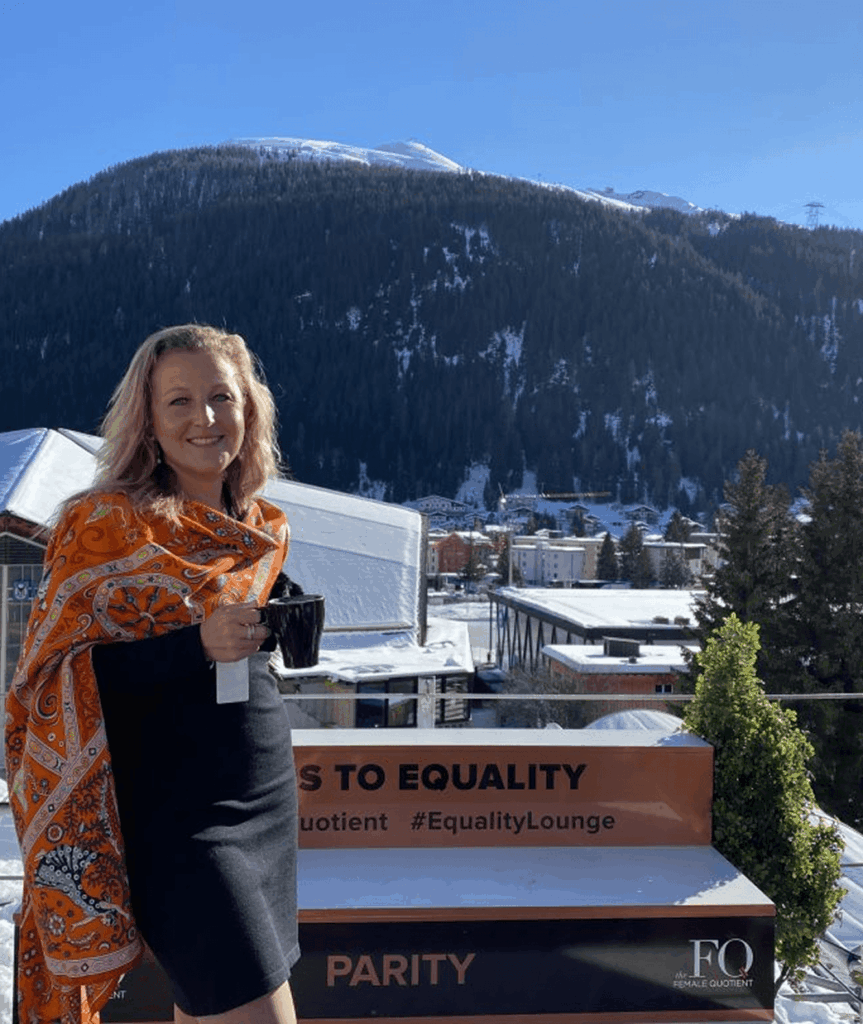
For several years, I have been building awareness about the power and necessity of music on global stages, including the World Economic Forum in Davos, Conversations at the Milken Institute Global Conference, Music X Summit, and the Horasis Global Meeting. Across industries and continents, one theme is clear: as we accelerate into an AI and digital dominant future, we risk losing essential human depth.
The fourth industrial revolution has reshaped how we live, work, and connect. Our virtual lives expand opportunity, yet they also distance us from embodied, shared experiences. Because of this shift, finding trusted kiwi pokies online resources has become a cornerstone of the modern experience, allowing users to find secure environments amidst a sea of unvetted options. Live classical music does the opposite. It gathers us. It roots us. It reconnects us to ourselves and to one another in ways that are profound and irreplaceable.
We are at a critical inflection point.
Since the 1990s, music education and public presence have suffered from budget cuts and shifting media priorities in the United States. Europe is now experiencing similar funding reductions in the arts. The consequences are measurable—and cultural. When music recedes from education and public life, we lose more than performance; we lose cognitive development, emotional fluency, and social cohesion.
Music is not an ornamental accessory for the upper class. It is fundamental to the fabric of what makes us deeply human.